Expanding into a new market can create valuable opportunities for a business, but reaching customers across borders involves much more than simply sending products from one country to another.
Businesses must consider freight arrangements, customs requirements, transportation routes, delivery schedules, documentation and the movement of goods after they arrive at their destination.
This is where cross border logistics Malaysia services become important.
With properly coordinated logistics, Malaysian businesses can connect with customers, suppliers and distribution networks in regional and international markets while reducing unnecessary complications throughout the shipping process.
For companies planning to grow beyond Malaysia, an experienced logistics company Malaysia can help turn international expansion into a more manageable operation.
Cross-Border Logistics Connects Businesses With New Markets
When a company begins selling internationally, logistics becomes the physical connection between the business and its new customers.
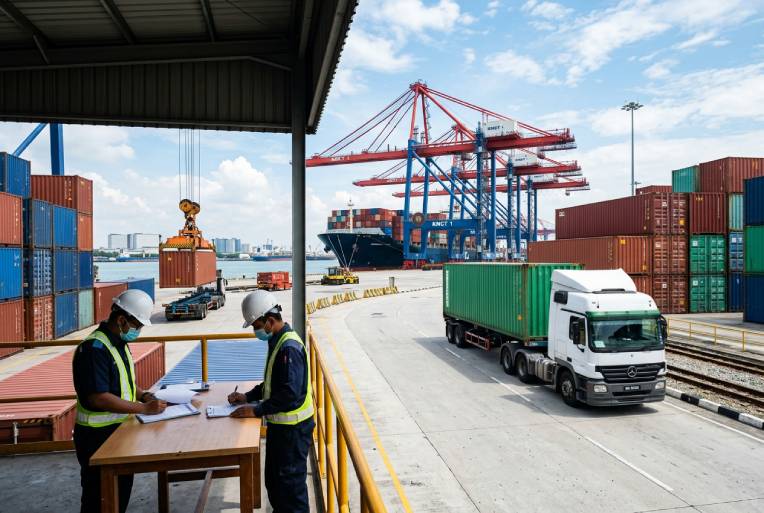
Products may need to move from a factory or warehouse in Malaysia to a port, airport or land border before continuing to another country. After arrival, cargo may also require customs clearance, local transportation, storage or final delivery.
Effective cross border logistics Malaysia brings these different stages together.
Instead of treating every movement as a separate task, businesses can coordinate freight, customs and transportation as part of one complete logistics process.
This makes it easier to serve customers beyond Malaysia and build a more reliable international supply chain.
It Makes International Shipping Easier to Manage
International shipping often involves multiple parties, including exporters, importers, freight carriers, customs authorities, transportation companies, ports, airports and warehouses.
Managing each party separately can become difficult as shipment volumes increase.
Professional logistics coordination helps organise these activities so that cargo moves through each stage in the correct sequence.
This may include:
- Cargo collection
- Freight booking
- Shipping documentation
- Customs clearance
- International transportation
- Inland delivery
- Warehousing and distribution
Businesses using international shipping and cross-border logistics solutions can therefore manage overseas cargo more efficiently without coordinating every stage independently.
Cross-Border Logistics Supports Different Transportation Options
Not every international shipment should use the same transportation method.
Depending on the destination, cargo size, urgency and budget, businesses may move products by sea, air or land.
Sea Freight for Larger Shipments
Sea freight is commonly used for containerised, bulk or higher-volume cargo where cost efficiency is important.
It allows Malaysian businesses to transport significant quantities of products to international markets while managing freight costs more effectively.
Air Freight for Time-Sensitive Cargo
Air freight can be suitable when products need to reach customers quickly.
It may be particularly useful for urgent commercial shipments, valuable products or goods with tight delivery schedules.
Land Transportation for Regional Trade
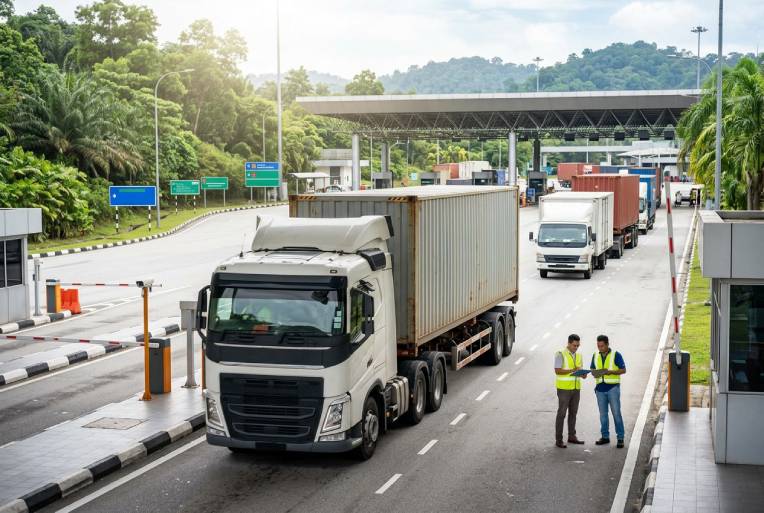
For markets connected to Malaysia by road, land transportation can form an important part of the cross-border supply chain.
An effective logistic Malaysia strategy may combine several transportation methods depending on the destination and individual shipment requirements.
Efficient Customs Clearance Helps Cargo Enter New Markets
Crossing an international border means businesses must comply with customs procedures.
Shipping documents, cargo declarations, classification details and other requirements must be prepared correctly before goods can be released.
Problems with documentation can lead to delays and disrupt delivery schedules.
For businesses expanding internationally, working with a logistics provider that understands customs procedures can help improve shipment coordination.
Preparing documents early and understanding how to ensure smooth customs clearance in Malaysia can also reduce avoidable difficulties before cargo begins its international journey.
Customs clearance is therefore not simply an administrative step. It is an important part of keeping an international supply chain moving.
Reliable Logistics Helps Businesses Maintain Customer Expectations
Entering a new market is only the beginning. Businesses must also provide a dependable service after they begin receiving orders.
Customers and business partners expect shipments to arrive within reasonable delivery times and in good condition.
Poor logistics can result in delayed orders, additional costs and dissatisfied customers.
Well-managed cross border logistics Malaysia helps businesses create more predictable cargo movements by coordinating transportation routes, shipment schedules and final delivery.
Better logistics reliability can support stronger relationships with customers, distributors and overseas business partners.
Better Logistics Coordination Can Control Expansion Costs
International growth brings new costs.
These may include freight charges, customs fees, inland transportation, handling, storage and distribution expenses.
Without proper planning, logistics costs can increase quickly.
An experienced logistics company Malaysia can help businesses evaluate transportation options and coordinate different logistics activities more efficiently.
For example, businesses may determine whether larger sea freight shipments are more economical than frequent smaller shipments, or whether warehousing closer to customers could improve distribution efficiency.
The goal is not always to choose the cheapest shipping option. Instead, businesses should find a suitable balance between cost, delivery time and reliability.
Warehousing and Distribution Support Growing Sales
As international sales increase, businesses may eventually require more than transportation alone.
Warehousing can help companies manage inventory while distribution services support the movement of goods from storage locations to customers or retailers.
Combining freight forwarding with warehousing and distribution can create a smoother flow of goods from origin to final destination.
This becomes increasingly valuable when a business enters several markets or begins handling larger shipment volumes.
Cross-Border Logistics Improves Supply Chain Visibility
Growing internationally means businesses need a clearer understanding of where their goods are throughout the supply chain.
Delays can occur at ports, customs checkpoints, transportation transfers or delivery locations.
Good logistics coordination improves visibility by keeping different parties connected and providing businesses with timely information about shipment progress.
This allows companies to react more quickly when schedules change and make better decisions about inventory, purchasing and customer deliveries.
Logistics Should Grow Together With Your Business
Logistics requirements often become more complex as a business expands.
A company may begin with occasional exports but eventually require frequent international freight, customs support, warehousing, transportation and distribution.
Choosing logistics solutions that can scale with the business can therefore make future expansion easier.
Businesses planning long-term growth should consider whether their logistics provider can support both current shipments and future requirements.
If you are still evaluating providers, understanding how to approach choosing the right logistics partner for your business can help you assess the services and capabilities you may need.
Expand Into New Markets With the Right Logistics Support
Entering international markets creates exciting opportunities, but successful expansion also depends on how efficiently products can reach customers.
Reliable cross border logistics Malaysia helps businesses connect freight forwarding, customs clearance, transportation, warehousing and final delivery into a more coordinated supply chain.
Aeromaris Freight supports Malaysian businesses with sea freight, air freight, cargo transportation, customs clearance, logistics coordination, supply chain management, warehousing and international shipping solutions.
With the right logistics support, businesses can concentrate on developing new customers and opportunities while their cargo continues moving efficiently across borders.
If your business is planning to import, export or expand into new international markets, contact our logistics team to discuss suitable shipping and logistics solutions.